
-
About UsTCX VALVE GROP is a global valves supplier created through the efforts of dedicated people with advanced technology in valves design and produce to achieve the highest quality products and package services.

-
Industry Application
06
2026
-
02
Unlocking Efficiency: The Critical Role of API600 Gate Valves in Industrial Applications
Author :
Unlocking Efficiency: The Critical Role of API600 Gate Valves in Industrial Applications Table of Contents 1. Introduction to API600 Gate Valves and Their Importance 2. Understanding Gate Valves: What Sets API600 Apart 3. Key Applications of API600 Gate Valves in Industries 4. Design Features of API600 Gate Valves 5. Advantages of Using API600 Gate Valves 6. Maintenance Be
Unlocking Efficiency: The Critical Role of API600 Gate Valves in Industrial Applications
Table of Contents
- 1. Introduction to API600 Gate Valves and Their Importance
- 2. Understanding Gate Valves: What Sets API600 Apart
- 3. Key Applications of API600 Gate Valves in Industries
- 4. Design Features of API600 Gate Valves
- 5. Advantages of Using API600 Gate Valves
- 6. Maintenance Best Practices for API600 Gate Valves
- 7. How to Choose the Right API600 Gate Valve for Your Needs
- 8. Troubleshooting Common Issues with API600 Gate Valves
- 9. Conclusion: Embracing Efficiency with API600 Gate Valves
- 10. Frequently Asked Questions
1. Introduction to API600 Gate Valves and Their Importance
In the realm of industrial operations, efficiency is paramount. One of the significant contributors to operational efficiency is the choice of valves used in various systems. Among these, **API600 gate valves** stand out due to their superior design and functionality. These valves are not merely components; they are critical elements that dictate the flow of fluids in industrial pipelines, contributing to the overall effectiveness of processes.
API600 gate valves are designed under stringent standards, ensuring they perform optimally even in demanding conditions. Understanding their role can significantly enhance our approach to managing fluid systems, leading to improved reliability, reduced energy costs, and minimized downtime.
2. Understanding Gate Valves: What Sets API600 Apart
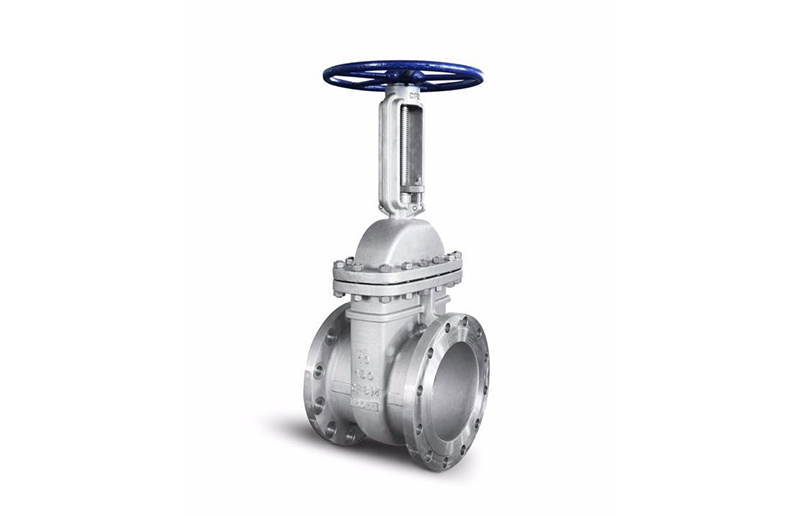
Gate valves are used primarily for on-off control of fluid flow. Unlike other valve types, gate valves operate by lifting a gate out of the path of the fluid, allowing for a straight-through flow path with minimal resistance. This design not only minimizes pressure drops across the valve but also enhances the efficiency of the system.
**API600** refers to the American Petroleum Institute's standards for gate valves that are primarily used in the petroleum and natural gas industries. These valves are designed to handle high pressures and temperatures, making them ideal for severe service applications. Key features include:
- **Full Port Design**: This allows for maximum flow capacity with minimal obstruction.
- **Durable Materials**: Often crafted from high-quality carbon steel or stainless steel, ensuring longevity and resistance to corrosion.
- **Robust Sealing Mechanisms**: Including features that prevent leakage and ensure reliable operation.
3. Key Applications of API600 Gate Valves in Industries
API600 gate valves find applications across various industries due to their reliability and efficiency. Some of the primary sectors utilizing these valves include:
3.1 Oil and Gas Industry
In oil and gas applications, API600 gate valves control the flow of crude oil, natural gas, and other petroleum products. Their ability to withstand extreme pressures and temperatures makes them indispensable for upstream, midstream, and downstream operations.
3.2 Water and Wastewater Management
In municipal water supply systems and wastewater treatment facilities, API600 gate valves regulate the flow of water. Their robust design ensures they can handle the corrosive nature of wastewater without degrading.
3.3 Chemical Processing
The chemical industry relies on API600 gate valves to manage the flow of various chemicals and solvents. Their resistance to corrosion and ability to handle hazardous materials make them an ideal choice.
3.4 Power Generation
In power plants, API600 gate valves control steam and water flow within boilers and turbines. Their reliable operation is crucial for maintaining consistent power output.
4. Design Features of API600 Gate Valves
The design features of API600 gate valves contribute significantly to their performance and reliability. Key attributes include:
4.1 Bonnet Design
API600 gate valves come with various bonnet designs, such as bolted or welded, providing options for different installation needs and maintenance considerations.
4.2 Material Strength
Constructed from high-grade materials, these valves are designed to meet the challenges of high-pressure environments, ensuring safety and durability.
4.3 Actuation Options
API600 gate valves can be operated manually or automated through electric or pneumatic actuators, providing flexibility in operation based on specific requirements.
4.4 Sealing Technology
Advanced sealing technologies ensure that API600 gate valves offer minimal leakage, which is critical in applications involving toxic or hazardous fluids.
5. Advantages of Using API600 Gate Valves
The numerous advantages of API600 gate valves make them a preferred choice in various industrial settings:
5.1 High Flow Capacity
Their full port design allows for unrestricted flow, minimizing energy loss and making them efficient in applications requiring high throughput.
5.2 Reliability and Durability
Constructed from robust materials, API600 gate valves are engineered to withstand harsh conditions, reducing the need for frequent replacements.
5.3 Cost-Effectiveness
While the initial investment may be higher compared to other valve types, the long-term operational savings due to reduced maintenance and downtime make API600 gate valves a cost-effective solution.
5.4 Versatility
API600 gate valves can be used in a wide range of applications across different industries, demonstrating their versatility and adaptability.
6. Maintenance Best Practices for API600 Gate Valves
To ensure optimal performance and longevity, regular maintenance of API600 gate valves is essential. Here are some best practices:
6.1 Regular Inspections
Conduct routine inspections for signs of wear, corrosion, or leakage. Early detection of issues can prevent costly repairs and downtime.
6.2 Lubrication
Ensure that the valve's operating mechanisms are adequately lubricated to enhance functionality and reduce friction.
6.3 Cleaning
Keep the valve clean from debris and buildup, especially in applications involving corrosive substances. This practice prevents blockages and operational hindrances.
6.4 Testing
Perform periodic pressure testing to verify the integrity of the valve and its sealing capabilities.
7. How to Choose the Right API600 Gate Valve for Your Needs
Selecting the right API600 gate valve is crucial for achieving maximum efficiency in your applications. Consider the following factors when making your decision:
7.1 Application Requirements
Evaluate the specific requirements of your application, including pressure, temperature, and the nature of the fluid being controlled.
7.2 Material Compatibility
Choose a valve material that is compatible with the fluid to prevent corrosion and ensure longevity.
7.3 Size and Flow Capacity
Determine the appropriate valve size to maintain optimal flow rates without causing pressure drops.
7.4 Industry Standards
Ensure that the selected valve complies with industry standards and regulations to guarantee safety and reliability.
8. Troubleshooting Common Issues with API600 Gate Valves
Despite their robust design, API600 gate valves may encounter certain issues over time. Here are common problems and their solutions:
8.1 Leakage
If a valve is leaking, inspect the sealing surfaces and replace seals if damaged. Ensure proper tightening of bolts and connections.
8.2 Difficulty in Operation
If the valve is hard to operate, check for obstructions in the valve body or insufficient lubrication. In some cases, actuator issues may need addressing.
8.3 Corrosion
Regularly inspect for signs of corrosion, especially in harsh environments. Promptly address any corrosion to prevent further damage.
9. Conclusion: Embracing Efficiency with API600 Gate Valves
In conclusion, API600 gate valves are essential components that significantly enhance operational efficiency in various industrial applications. Their robust design, high flow capacity, and adaptability to diverse environments make them a superior choice for managing fluid systems. By understanding their features, advantages, and maintenance needs, industries can effectively harness the benefits of API600 gate valves, leading to increased productivity and reduced operational costs. Investing in these valves is a strategic move toward achieving sustainable efficiency and reliability in industrial processes.
10. Frequently Asked Questions
10.1 What is the primary function of an API600 gate valve?
The primary function of an API600 gate valve is to control the flow of fluids in pipelines, providing a reliable on-off service with minimal pressure drop.
10.2 How do I know if my API600 gate valve needs maintenance?
Regular inspections for leaks, corrosion, and operational difficulty are indicators that your valve may require maintenance.
10.3 Can API600 gate valves be used for throttling services?
While API600 gate valves are designed primarily for on-off services, they can be used for throttling in certain applications, though not recommended for precise flow control.
10.4 What materials are API600 gate valves typically made from?
API600 gate valves are often constructed from carbon steel, stainless steel, or other alloys that provide strength and corrosion resistance.
10.5 How often should API600 gate valves be inspected?
It is advisable to inspect API600 gate valves regularly, typically once every six months or as per the specific operational requirements and conditions of your facility.
api600 gate valve
Next page
Next page
Get a Free Quote
If you are interested in our products, please leave your email and we will contact you as soon as possible, thank you!

CONTACT US
Tel:0086-512 69202976
Email:info@tcxvalve.com
Address: South Ring Road, Dafeng Economic Development Zone, Jiangsu Province, China

Follow us
Copyright © 2025 TCX Valve Group Co. Ltd.