
-
About UsTCX VALVE GROP is a global valves supplier created through the efforts of dedicated people with advanced technology in valves design and produce to achieve the highest quality products and package services.

-
Industry Application
24
2026
-
02
Understanding the Role of Slab Gate Valves in Oil and Gas Transmission
Author :
Understanding the Role of Slab Gate Valves in Oil and Gas Transmission Table of Contents Introduction to Slab Gate Valves Design and Functionality of Slab Gate Valves Advantages of Slab Gate Valves in Transmission Systems Applications of Slab Gate Valves in Oil and Gas Maintenance and Repair of Slab Gate Valves Comparison with Other Valve Types The Future of Slab Gate
Understanding the Role of Slab Gate Valves in Oil and Gas Transmission
Table of Contents
- Introduction to Slab Gate Valves
- Design and Functionality of Slab Gate Valves
- Advantages of Slab Gate Valves in Transmission Systems
- Applications of Slab Gate Valves in Oil and Gas
- Maintenance and Repair of Slab Gate Valves
- Comparison with Other Valve Types
- The Future of Slab Gate Valves in the Industry
- Conclusion
- FAQs about Slab Gate Valves
Introduction to Slab Gate Valves
In the oil and gas industry, **efficiency** and **safety** are paramount. Slab gate valves play a crucial role in ensuring that these systems operate smoothly and effectively. These valves are designed to control the flow of fluids in pipelines, providing a reliable mechanism for **shutting off** flow when necessary. Understanding the functionality and importance of slab gate valves is essential for industry professionals aiming to optimize their operations.
Design and Functionality of Slab Gate Valves
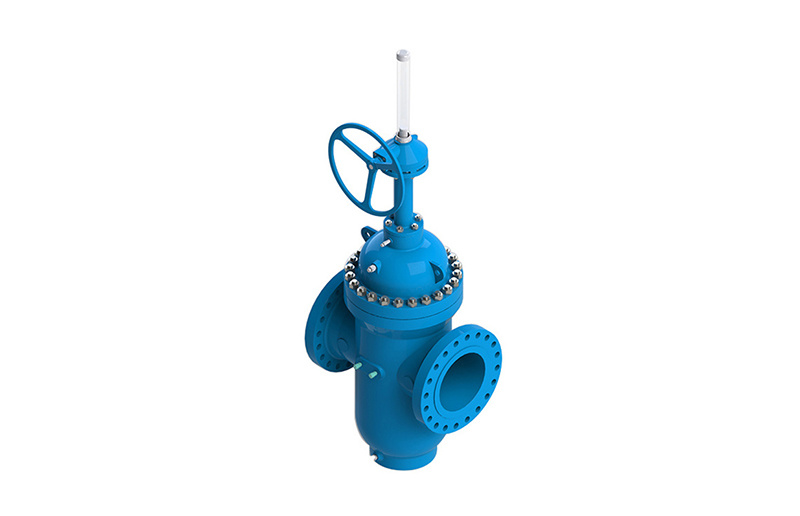
Slab gate valves are characterized by their **simple yet effective design**. Typically composed of a flat gate or slab that moves vertically within the valve body, they operate by either completely allowing or completely blocking fluid flow. The basic components include:
1. Body
The valve body houses the internal components and maintains the structural integrity under high-pressure conditions.
2. Gate
The gate is a flat piece that lifts out of the flow path when the valve is open, allowing fluid to pass through.
3. Seat
The seat provides a sealing surface to prevent leaks when the valve is closed.
4. Actuation Mechanism
This can be manual or automated, allowing for smooth operation and control.
The **operation principle** is straightforward: turning the actuator raises the gate, allowing fluid to flow. Conversely, lowering the gate blocks the flow, effectively sealing the pipeline. This simplicity aids in maintenance and operation, making slab gate valves an attractive choice for many applications.
Advantages of Slab Gate Valves in Transmission Systems
Slab gate valves offer a multitude of benefits in oil and gas transmission systems:
1. Low Friction Loss
Due to their design, slab gate valves create minimal resistance to fluid flow, leading to **lower energy costs** and improved system efficiency.
2. High Pressure and Temperature Resistance
These valves can handle extreme conditions, making them suitable for high-pressure and high-temperature applications.
3. Bidirectional Flow Capability
Slab gate valves can facilitate flow in both directions, providing greater flexibility in pipeline design and operation.
4. Easy Maintenance
Their simple construction allows for straightforward inspection and maintenance, minimizing downtime in operations.
5. Long Lifespan
Constructed from durable materials, slab gate valves are designed for longevity, reducing the need for frequent replacements.
Applications of Slab Gate Valves in Oil and Gas
Slab gate valves are used across various applications within the oil and gas industry, including:
1. Pipeline Isolation
They are commonly employed to isolate sections of pipelines for maintenance or emergency situations.
2. Wellhead Applications
In wellhead applications, these valves help control the flow from the well to the processing system.
3. Processing Facilities
Slab gate valves are integral in processing facilities for controlling the flow of crude oil and natural gas.
4. Storage Tanks
They are used in storage tank systems to ensure safe and efficient fluid transfer.
5. Offshore Platforms
In offshore environments, slab gate valves provide reliable isolation and control in challenging conditions.
Maintenance and Repair of Slab Gate Valves
Proper maintenance is key to the longevity and performance of slab gate valves. Regular inspections and maintenance procedures should include:
1. Visual Inspections
Routine checks for leaks, corrosion, and mechanical wear can help identify potential issues before they become serious problems.
2. Lubrication
Ensuring that the moving parts are adequately lubricated minimizes friction and wear, enhancing the valve's operational life.
3. Seat Replacement
Over time, the sealing surfaces may wear down. Replacing the seats as needed ensures a proper seal and prevents leaks.
4. Testing
Performing pressure tests can confirm the integrity of the valves and ensure they function correctly under operational conditions.
5. Record Keeping
Maintaining detailed records of maintenance activities helps in tracking performance and planning future inspections.
Comparison with Other Valve Types
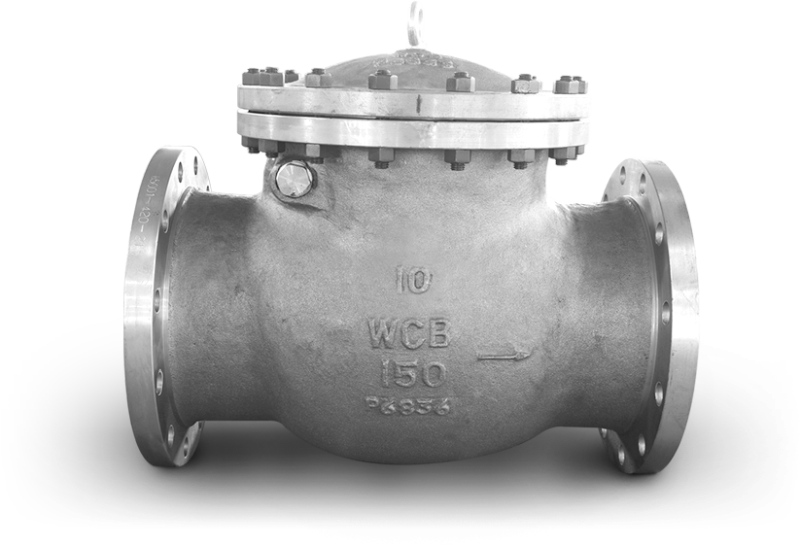
When evaluating slab gate valves, it is essential to compare them with other valve types, such as ball valves, gate valves, and globe valves. Each type has its pros and cons.
1. Slab Gate Valves vs. Ball Valves
While ball valves offer quicker operation and are better for throttling applications, slab gate valves excel in high-pressure scenarios and provide lower flow resistance.
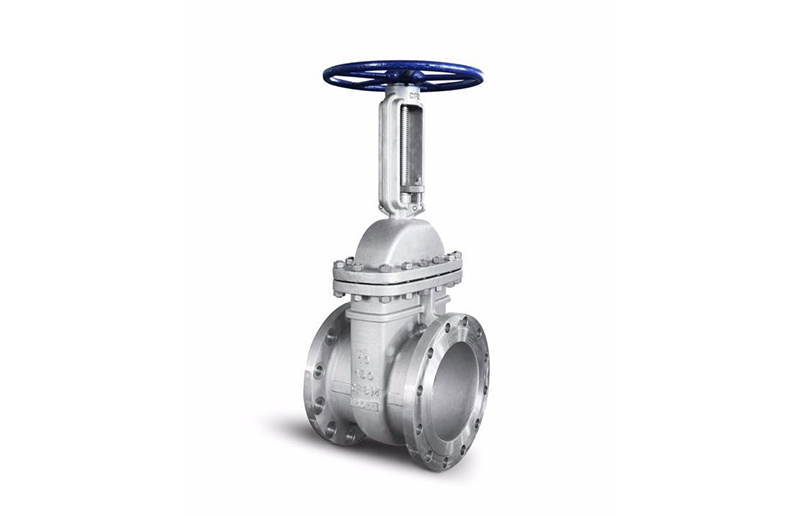
2. Slab Gate Valves vs. Conventional Gate Valves
Slab gate valves typically offer better sealing performance and can handle larger flow rates compared to conventional gate valves, which may have more complex designs.
3. Slab Gate Valves vs. Globe Valves
Globe valves are better for flow regulation, while slab gate valves are preferred for on/off control due to their lower pressure drop.
The Future of Slab Gate Valves in the Industry
As the oil and gas industry continues to evolve, so do the technologies surrounding slab gate valves. Innovations in materials and design are likely to enhance their performance further. Additionally, the increasing focus on sustainability may lead to the development of environmentally friendly valve options that maintain efficiency while reducing environmental impact.
Conclusion
Slab gate valves are indispensable components in the oil and gas transmission sector due to their reliability, efficiency, and ease of maintenance. Understanding their design, advantages, applications, and maintenance practices is crucial for industry professionals dedicated to optimizing their operations. As technology advances, slab gate valves will likely continue to play a significant role in the safe and efficient transportation of oil and gas.
FAQs about Slab Gate Valves
1. What are slab gate valves used for?
Slab gate valves are primarily used to control the flow of fluids in pipelines, allowing for complete isolation when needed.
2. How do slab gate valves differ from other types of valves?
Slab gate valves are specifically designed for on/off flow control with lower friction loss, making them more efficient for certain applications compared to other valve types.
3. What maintenance is required for slab gate valves?
Regular inspections, lubrication, and timely replacement of worn components are essential to maintaining slab gate valves.
4. Can slab gate valves handle high pressures?
Yes, slab gate valves are designed to withstand high pressure and temperature conditions typical in oil and gas applications.
5. Are slab gate valves suitable for offshore use?
Absolutely, slab gate valves are frequently used in offshore platforms due to their reliability and ability to operate effectively in harsh environments.
slab gate valve for oil and gas transmission
Get a Free Quote
If you are interested in our products, please leave your email and we will contact you as soon as possible, thank you!
CONTACT US
Tel:0086-512 69202976
Email:info@tcxvalve.com
Address: South Ring Road, Dafeng Economic Development Zone, Jiangsu Province, China

Follow us
Copyright © 2025 TCX Valve Group Co. Ltd.