
-
About UsTCX VALVE GROP is a global valves supplier created through the efforts of dedicated people with advanced technology in valves design and produce to achieve the highest quality products and package services.

-
Industry Application
08
2026
-
09
A Comprehensive Guide to API6D Slab Gate Valve Installation and Maintenance
Author :
A Comprehensive Guide to API6D Slab Gate Valve Installation and Maintenance Table of Contents 1. Introduction to API6D Slab Gate Valves 2. Key Features of API6D Slab Gate Valves 3. Preparation for Installation 4. Step-by-Step Installation Guide 5. Maintenance Best Practices 6. Troubleshooting Common Issues 7. Safety Considerations 8. Conclusion 9. Frequently As
A Comprehensive Guide to API6D Slab Gate Valve Installation and Maintenance
Table of Contents
- 1. Introduction to API6D Slab Gate Valves
- 2. Key Features of API6D Slab Gate Valves
- 3. Preparation for Installation
- 4. Step-by-Step Installation Guide
- 5. Maintenance Best Practices
- 6. Troubleshooting Common Issues
- 7. Safety Considerations
- 8. Conclusion
- 9. Frequently Asked Questions
1. Introduction to API6D Slab Gate Valves
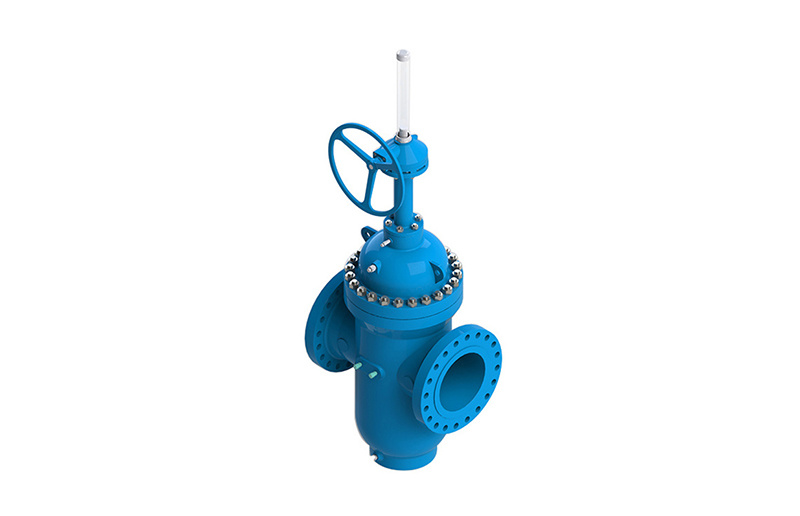
API6D slab gate valves are crucial components in various industrial applications, particularly in the oil and gas sector. Designed to provide reliable shut-off and flow regulation, these valves are essential for maintaining system integrity. This guide aims to provide a thorough understanding of installation and maintenance procedures tailored for API6D slab gate valves.
2. Key Features of API6D Slab Gate Valves
API6D slab gate valves possess several notable features that enhance their functionality and reliability:
2.1 Construction and Design
These valves are typically constructed from high-strength materials, ensuring durability under extreme conditions. The slab design allows for a full bore, minimizing flow restrictions.
2.2 Sealing Mechanism
The sealing mechanism used in API6D valves is designed to provide leak-tight closure, making them suitable for high-pressure applications. The use of resilient materials in the seals enhances their lifespan.
2.3 Versatility
API6D slab gate valves are versatile, suitable for various media, including oil, gas, and water. This adaptability makes them a preferred choice across many industries.
3. Preparation for Installation
Before proceeding with the installation of API6D slab gate valves, proper preparation is vital to ensure a smooth process and optimal performance:
3.1 Site Assessment
Assess the installation site to identify any potential hazards or obstacles. Ensure that the area is clean and free of debris, which could interfere with the installation process.
3.2 Tools and Equipment
Gather all necessary tools and equipment, including wrenches, pipe sealants, and a torque wrench. Having the right tools on hand will streamline the installation process.
3.3 Valve Inspection
Inspect the API6D slab gate valve for any shipping damage or defects. Confirm that the valve meets all specifications and standards before installation.
4. Step-by-Step Installation Guide
The installation of an API6D slab gate valve involves several critical steps. Follow this guide to ensure proper installation:
4.1 Prepare the Pipeline
Ensure the pipeline is adequately prepared, including proper alignment and cleaning of the ends. Any debris or irregularities can hinder the installation process.
4.2 Position the Valve
Carefully position the API6D slab gate valve between the pipeline flanges. Ensure that the valve is oriented correctly, with the flow direction marked on the valve body.
4.3 Secure the Valve
Using the appropriate bolts, attach the valve to the flanges. Follow the manufacturer's recommended torque specifications to avoid over-tightening, which can lead to damage.
4.4 Connect Actuators and Accessories
If your API6D slab gate valve includes actuators or other accessories, connect them according to the manufacturer's instructions. Ensure all connections are secure and functioning properly.
4.5 Conduct a Leak Test
Once the installation is complete, conduct a leak test to verify the integrity of the installation. This test ensures that there are no leaks present and that the valve operates correctly.
5. Maintenance Best Practices
Maintaining your API6D slab gate valve is crucial for its longevity and performance. Implement these best practices:
5.1 Regular Inspections
Schedule regular inspections to identify potential issues before they escalate. Look for signs of wear, corrosion, or leaks.
5.2 Cleaning and Lubrication
Keep the valve clean and well-lubricated. Use appropriate cleaning solutions and lubricants per the manufacturer’s recommendations.
5.3 Functional Testing
Perform functional tests periodically to ensure the valve operates as intended. Test the opening and closing mechanisms to confirm they are responsive.
6. Troubleshooting Common Issues
Even well-maintained API6D slab gate valves may encounter issues. Here's how to troubleshoot common problems:
6.1 Valve Won't Open or Close
If the valve fails to open or close, check for obstructions or mechanical failures. Inspect the actuator and linkage for proper functionality.
6.2 Leaking Seals
Leaking seals may indicate wear and tear. Inspect the seals and, if necessary, replace them to ensure a leak-tight seal.
6.3 Corrosion and Wear
Corrosion can significantly affect valve performance. Regularly inspect for corrosion and address any issues promptly to extend the valve’s lifespan.
7. Safety Considerations
Safety is paramount when working with API6D slab gate valves. Keep these considerations in mind:
7.1 Personal Protective Equipment (PPE)
Always wear appropriate PPE, including gloves, goggles, and hard hats, to protect yourself during installation and maintenance activities.
7.2 Safe Handling Practices
Use safe handling practices when lifting and positioning the valve. Ensure that all team members are aware of their roles and responsibilities during the installation process.
7.3 Emergency Procedures
Establish emergency procedures in case of accidents. Ensure all personnel are familiar with these protocols to minimize risks.
8. Conclusion
In conclusion, the proper installation and maintenance of API6D slab gate valves are crucial for ensuring reliable operation in industrial applications. By following the guidelines outlined in this comprehensive guide, engineers and technicians can enhance the performance and longevity of their valve systems. Regular inspections, proper maintenance practices, and swift troubleshooting can prevent issues and ensure that your systems operate smoothly.
9. Frequently Asked Questions
9.1 What is an API6D slab gate valve?
API6D slab gate valves are designed for on/off service in various industrial applications, offering reliable sealing and flow control.
9.2 How often should API6D slab gate valves be inspected?
Regular inspections should be conducted at least once a year, but more frequent checks may be necessary depending on operating conditions.
9.3 Can I repair an API6D slab gate valve?
Yes, API6D slab gate valves can often be repaired, especially if the issue is related to seals or internal components.
9.4 What are the common materials used for API6D slab gate valves?
Common materials include carbon steel, stainless steel, and alloy materials, providing durability and corrosion resistance.
9.5 What should I do if my valve is leaking?
Check for worn seals or improper installation. If leaks persist, consult with a professional for repairs or replacements.
By following this comprehensive guide, you will be well-equipped to handle the installation and maintenance of API6D slab gate valves, ensuring their optimal performance and reliability in your operations.
api6d slab gate valve
Previous page
Previous page
Get a Free Quote
If you are interested in our products, please leave your email and we will contact you as soon as possible, thank you!
CONTACT US
Tel:0086-512 69202976
Email:info@tcxvalve.com
Address: South Ring Road, Dafeng Economic Development Zone, Jiangsu Province, China

Follow us
Copyright © 2025 TCX Valve Group Co. Ltd.