
-
About UsTCX VALVE GROP is a global valves supplier created through the efforts of dedicated people with advanced technology in valves design and produce to achieve the highest quality products and package services.

-
Industry Application
22
2026
-
03
Why Choose Slab Gate Valves for Efficient Oil and Gas Transport?
Author :
Why Choose Slab Gate Valves for Efficient Oil and Gas Transport? Introduction to Slab Gate Valves In the oil and gas industry, the safe and efficient transport of hydrocarbons is paramount. One critical component that ensures this efficiency is the **Slab Gate Valve**. This robust device is designed for on/off service in pipelines, offering a reliable solution to control the flow of fluids. Unlike
Why Choose Slab Gate Valves for Efficient Oil and Gas Transport?
Introduction to Slab Gate Valves
In the oil and gas industry, the safe and efficient transport of hydrocarbons is paramount. One critical component that ensures this efficiency is the **Slab Gate Valve**. This robust device is designed for on/off service in pipelines, offering a reliable solution to control the flow of fluids. Unlike other types of valves, slab gate valves boast a simple design that minimizes pressure drop and maximizes flow efficiency.
The Importance of Valve Selection in Oil and Gas Transport
Selecting the right type of valve is crucial for the oil and gas sector. The valve needs to withstand extreme pressures and temperatures while ensuring a tight seal to prevent leaks. The choice of valve can impact operational costs, safety measures, and overall efficiency. Therefore, understanding the unique advantages of slab gate valves is essential for decision-makers in the industry.
What Are Slab Gate Valves?
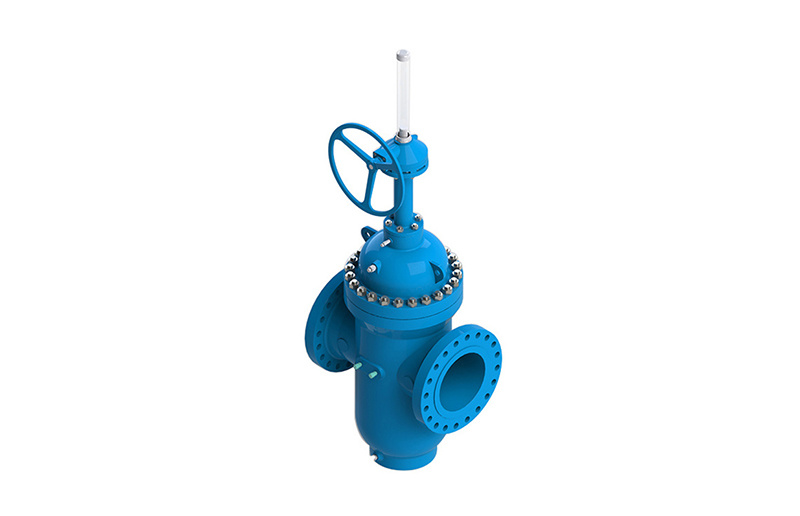
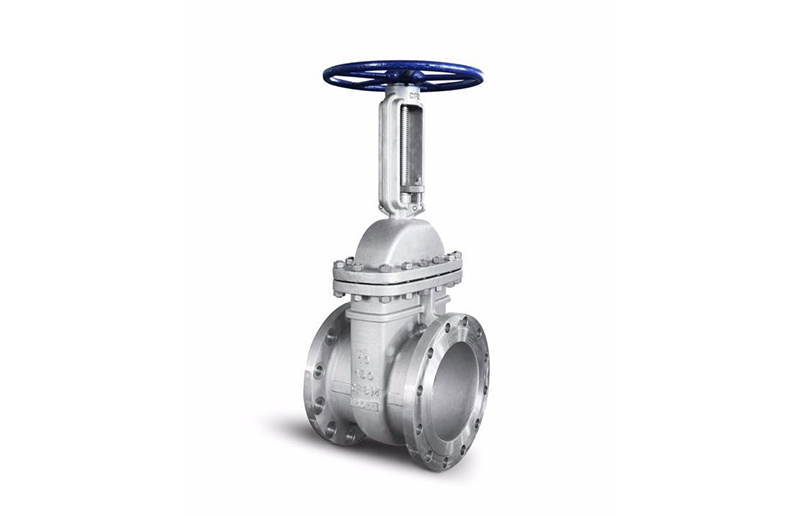
Slab gate valves are characterized by a flat gate that slides between two seats within the valve body. This design allows for a straight-line flow of fluid, minimizing turbulence and enhancing flow rates. They are often used in high-pressure applications and can be operated manually or automatically.
Key Features of Slab Gate Valves
1. **Robust Construction**: Made from durable materials such as carbon steel or stainless steel, slab gate valves are built to withstand the harsh conditions typical in oil and gas operations.
2. **Low Pressure Drop**: The flat design of the gate allows for a straight-through flow, resulting in minimal pressure loss and improved efficiency.
3. **Versatility**: Suitable for use in both onshore and offshore applications, slab gate valves can handle various fluids, including crude oil, natural gas, and water-based fluids.
4. **Maintenance-Friendly**: With fewer moving parts, these valves are easier to maintain and service, reducing operational downtime.
Benefits of Using Slab Gate Valves
1. Enhanced Flow Efficiency
Slab gate valves provide a straight path for fluid flow, which significantly reduces turbulence. This feature translates to improved flow efficiency, allowing for higher throughput rates without compromising safety. For industries where time and efficiency directly affect profitability, this advantage is invaluable.
2. Improved Safety and Reliability
Safety is a top priority in the oil and gas sector. Slab gate valves are designed to create a tight seal when closed, effectively preventing leaks that could lead to hazardous situations. Their robust construction also ensures that they can withstand extreme conditions, enhancing reliability in critical applications.
3. Cost-Effectiveness
While the initial investment in slab gate valves may be higher than that for other types of valves, their long-term benefits far outweigh the costs. With lower maintenance requirements, reduced energy consumption due to lower pressure drops, and a longer lifespan, slab gate valves become a cost-effective choice for operators looking to optimize their systems.
4. Versatility Across Applications
Slab gate valves are not limited to a single type of application. They are suitable for various settings, from offshore platforms to onshore pipelines and refineries. Their adaptability ensures that they can meet the diverse needs of the oil and gas industry.
Applications of Slab Gate Valves in Oil and Gas Transport
1. Pipeline Transport
In pipeline systems, slab gate valves act as critical control points. They facilitate the safe and efficient transport of hydrocarbons over long distances. Their ability to withstand high pressures makes them ideal for high-capacity pipelines.
2. Refineries
In refinery processes, slab gate valves are used to regulate the flow of crude oil and other hydrocarbons. Their low-pressure drop feature helps maintain optimal processing conditions, enhancing overall refinery efficiency.
3. Offshore Platforms
Offshore drilling and production platforms face unique challenges, including harsh environmental conditions. Slab gate valves offer the durability and reliability needed to operate safely in these demanding settings.
Comparing Slab Gate Valves to Other Valve Types
1. Ball Valves
While ball valves are known for their quick operation and tight sealing capabilities, they often have higher pressure drops compared to slab gate valves. In scenarios where flow efficiency is critical, slab gate valves may be the better choice.
2. Globe Valves
Globe valves are excellent for throttling applications but are not typically recommended for on/off service due to higher pressure drops and potential flow restrictions. Slab gate valves, in contrast, excel in applications requiring quick shut-off capabilities.
3. Butterfly Valves
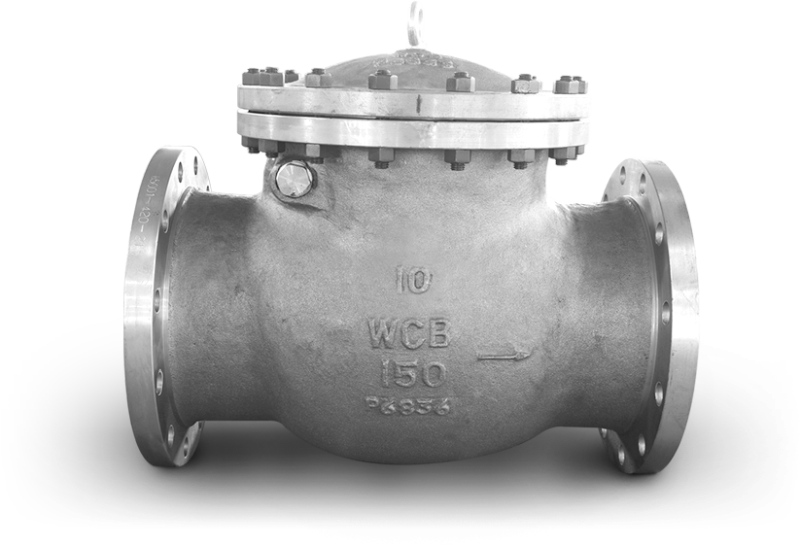
Butterfly valves are lightweight and cost-effective but may not provide the same level of sealing or pressure resistance as slab gate valves. For high-pressure applications, slab gate valves are often preferred due to their robust design.
Challenges and Considerations When Using Slab Gate Valves
1. Operating Environment
While slab gate valves are built to last, the specific operating environment must be considered. Factors such as temperature, pressure, and the nature of the fluid being transported can impact valve performance.
2. Cost of Installation
Though slab gate valves offer long-term savings, the upfront installation costs can be higher than for other valve types. Careful consideration of the total cost of ownership is essential when evaluating options.
FAQs About Slab Gate Valves
1. What materials are slab gate valves made from?
Slab gate valves are commonly made from carbon steel, stainless steel, and other alloys designed to withstand various environmental conditions.
2. How do I maintain slab gate valves?
Maintenance includes regular inspections for wear and tear, cleaning, and ensuring proper lubrication of moving parts to minimize friction.
3. Are slab gate valves suitable for corrosive fluids?
Yes, slab gate valves can be manufactured with corrosion-resistant materials and coatings, making them suitable for transporting corrosive fluids.
4. Can slab gate valves be automated?
Yes, slab gate valves can be equipped with actuators for automated operation, enhancing operational efficiency and safety.
5. What is the lifespan of a slab gate valve?
With proper maintenance, slab gate valves can have a lifespan of 20 years or more, depending on the operating conditions and materials used.
Conclusion
Slab gate valves stand out as a superior choice for the efficient transport of oil and gas in various applications. Their robust design, low pressure drop, and versatility make them an ideal solution for operators seeking reliability and safety. By investing in slab gate valves, companies can enhance operational efficiency, reduce costs, and improve safety outcomes in their transport systems. As the industry continues to evolve, the demand for effective and reliable valve solutions will only increase, further solidifying the place of slab gate valves at the forefront of oil and gas transport technology.
slab gate valve for oil and gas transmission
Get a Free Quote
If you are interested in our products, please leave your email and we will contact you as soon as possible, thank you!
CONTACT US
Tel:0086-512 69202976
Email:info@tcxvalve.com
Address: South Ring Road, Dafeng Economic Development Zone, Jiangsu Province, China

Follow us
Copyright © 2025 TCX Valve Group Co. Ltd.