
-
About UsTCX VALVE GROP is a global valves supplier created through the efforts of dedicated people with advanced technology in valves design and produce to achieve the highest quality products and package services.

-
Industry Application
13
2026
-
04
The Advantages of Slab Gate Valves in Industrial Applications
Author :
The Advantages of Slab Gate Valves in Industrial Applications Introduction to Slab Gate Valves In the realm of industrial applications, **slab gate valves** are becoming increasingly popular due to their unique design and performance characteristics. These valves are primarily utilized in pipelines and systems where a tight seal is essential for preventing leaks and ensuring efficient flow control
The Advantages of Slab Gate Valves in Industrial Applications
Introduction to Slab Gate Valves
In the realm of industrial applications, **slab gate valves** are becoming increasingly popular due to their unique design and performance characteristics. These valves are primarily utilized in pipelines and systems where a tight seal is essential for preventing leaks and ensuring efficient flow control. Unlike other types of valves, slab gate valves offer remarkable advantages that enhance their utility across various industries.
Understanding the Design and Functionality of Slab Gate Valves
What are Slab Gate Valves?
Slab gate valves are **mechanical devices** that control the flow of liquids and gases within a pipeline. They consist of a flat gate that moves up and down to open or close the flow path. The simplicity of their design contributes to their effectiveness, making them suitable for high-pressure applications.
How Do Slab Gate Valves Work?
The operational mechanism of slab gate valves is straightforward. When the valve handle is turned or the actuator is activated, the gate moves vertically. In the open position, the gate is fully retracted, allowing unrestricted flow. Conversely, when closed, the gate seats against the valve body, creating a robust seal that prevents backflow or leakage.
The Key Advantages of Slab Gate Valves
1. Excellent Flow Characteristics
One of the most significant advantages of slab gate valves is their **minimal flow resistance**. The design allows for a straight-through flow path, which minimizes turbulence and pressure drop. This is particularly beneficial in applications where maintaining pressure is critical, such as in oil and gas pipelines.
2. Robust Sealing Capabilities
Slab gate valves are renowned for their **superior sealing capabilities**. The flat gate design ensures a tight seal when closed, effectively preventing leaks. This characteristic is particularly vital in industries such as chemical processing, where fluid containment is essential to avoid hazardous spills.
3. Durability and Longevity
Constructed from high-quality materials, slab gate valves demonstrate exceptional durability. They can withstand harsh operating environments, including extreme temperatures and corrosive substances. This longevity translates to reduced maintenance costs and extended service life, making them a cost-effective choice for industrial applications.
4. Simplified Maintenance Procedures
Maintenance is an integral part of any industrial operation. Slab gate valves are designed for ease of maintenance, allowing for quick inspections and repairs. Their straightforward design minimizes the need for specialized skills during maintenance, saving both time and labor costs.
5. Versatility Across Applications
Slab gate valves are incredibly versatile, suitable for a range of applications including water treatment, oil and gas, and chemical processing. Their ability to handle different media types makes them a preferred choice across various industries, enhancing their utility in diverse operational contexts.
Applications of Slab Gate Valves
1. Oil and Gas Industry
In the oil and gas sector, slab gate valves are often employed to manage the flow of crude oil and natural gas. Their ability to provide a reliable seal under high-pressure conditions is crucial for minimizing the risk of leaks and ensuring safe operations.
2. Water Treatment Facilities
Water treatment facilities utilize slab gate valves for controlling the flow of water during various treatment processes. Their robust sealing capabilities help maintain the integrity of the water supply, which is essential for public health.
3. Chemical Processing Plants
In chemical processing, the need for effective sealing and durability is paramount. Slab gate valves are utilized to manage corrosive and hazardous materials, ensuring safe and efficient operations.
Comparing Slab Gate Valves with Other Valve Types
1. Slab Gate Valves vs. Ball Valves
While **ball valves** are known for their quick operation, slab gate valves offer superior flow characteristics and sealing capabilities. Ball valves may not provide the same level of sealing under high-pressure conditions, making slab gate valves a more reliable choice for specific applications.
2. Slab Gate Valves vs. Butterfly Valves
Butterfly valves are often used for throttling applications, but slab gate valves excel in on/off service. The flat design of slab gate valves ensures minimal pressure drop, while butterfly valves may introduce more turbulence into the flow.
Choosing the Right Slab Gate Valve for Your Needs
1. Consider the Operating Conditions
When selecting a slab gate valve, it's essential to consider the specific operating conditions, including pressure, temperature, and the type of media being handled. Understanding these factors ensures the selection of a valve that meets your operational requirements.
2. Evaluate Material Compatibility
Material selection is critical for the performance and longevity of slab gate valves. Ensure that the materials used in the valve construction are compatible with the media to prevent corrosion and extend service life.
3. Assess Valve Size and Configuration
The size and configuration of the slab gate valve should align with the pipeline specifications. Proper sizing ensures optimal flow rates and minimizes pressure drops, enhancing overall system efficiency.
FAQs About Slab Gate Valves
1. What is the primary function of slab gate valves?
Slab gate valves are designed to control the flow of liquids and gases within pipelines, offering reliable sealing and minimal flow resistance.
2. How do slab gate valves compare to other valve types?
Slab gate valves provide superior sealing capabilities and flow characteristics compared to other types like ball and butterfly valves, making them ideal for specific industrial applications.
3. What materials are commonly used in slab gate valve construction?
Common materials include carbon steel, stainless steel, and various alloys tailored to endure harsh operating environments and corrosive media.
4. Are slab gate valves suitable for high-pressure applications?
Yes, slab gate valves are well-suited for high-pressure applications due to their robust design and sealing capabilities.
5. How often should slab gate valves be maintained?
Regular inspections are recommended, but maintenance frequency depends on operating conditions and valve usage. Typically, they should be checked annually or as per manufacturer guidelines.
Conclusion
In conclusion, slab gate valves offer a myriad of advantages in industrial applications, from their **excellent flow characteristics** and **durability** to their versatility and ease of maintenance. As industries continue to seek efficient and reliable flow control solutions, slab gate valves stand out as a premier choice. Understanding their benefits and applications can greatly enhance operational efficiency while ensuring safety and reliability across various sectors. Investing in slab gate valves may very well be the key to optimizing your industrial processes and achieving long-term success.
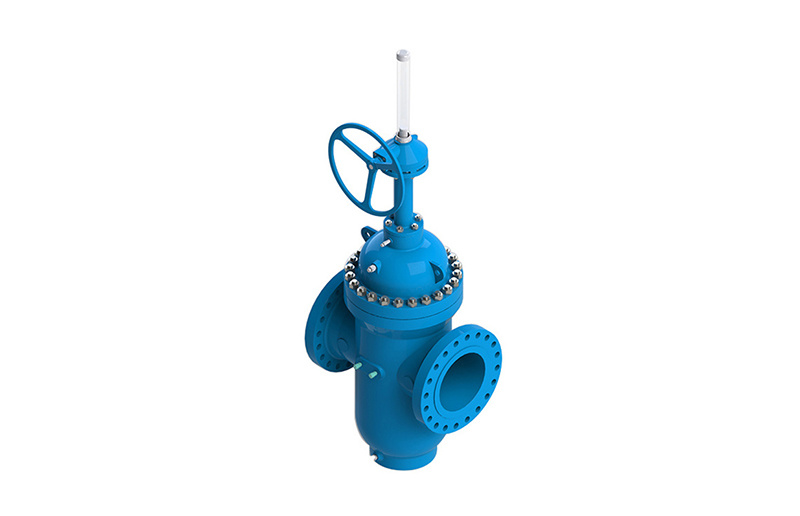
slab gate valve for oil and gas transmission
Get a Free Quote
If you are interested in our products, please leave your email and we will contact you as soon as possible, thank you!
CONTACT US
Tel:0086-512 69202976
Email:info@tcxvalve.com
Address: South Ring Road, Dafeng Economic Development Zone, Jiangsu Province, China

Follow us
Copyright © 2025 TCX Valve Group Co. Ltd.