
-
About UsTCX VALVE GROP is a global valves supplier created through the efforts of dedicated people with advanced technology in valves design and produce to achieve the highest quality products and package services.

-
Industry Application
17
2026
-
04
How to Choose the Right API600 Gate Valve for Your Project: A Comprehensive Guide
Author :
How to Choose the Right API600 Gate Valve for Your Project Table of Contents Introduction to API600 Gate Valves Understanding API600 Standards Key Features of API600 Gate Valves Important Factors in Selection Material Selection Size and Dimensions Pressure and Temperature Ratings End Connections Installation Con
How to Choose the Right API600 Gate Valve for Your Project
Table of Contents
- Introduction to API600 Gate Valves
- Understanding API600 Standards
- Key Features of API600 Gate Valves
- Important Factors in Selection
- Installation Considerations
- Maintenance and Repair
- Common Issues and Solutions
- Conclusion
- FAQs
Introduction to API600 Gate Valves
Choosing the right **API600 gate valve** for your project is crucial in ensuring operational efficiency and safety. These valves are designed for high-performance applications, making them a popular choice in various industries, including oil and gas, chemical processing, and water treatment. Understanding the intricacies of API600 standards and the specific requirements of your project will guide you in making the best decision.
Understanding API600 Standards
The **API600 standard** is set by the American Petroleum Institute (API) and governs the manufacturing and testing of gate valves used in the petroleum and natural gas industries. This standard ensures that the valves meet specific criteria for quality and performance, covering aspects such as design, materials, and testing procedures.
API600 gate valves are designed to provide a tight seal when fully closed, preventing any leakage of flow. They are typically used in on/off applications, where full flow is required and throttling is not necessary. Familiarizing yourself with these standards will help you assess the suitability of a valve for your specific applications.
Key Features of API600 Gate Valves
API600 gate valves come equipped with numerous features that enhance their performance and longevity. Below are some of the most notable aspects to consider:
Design and Construction
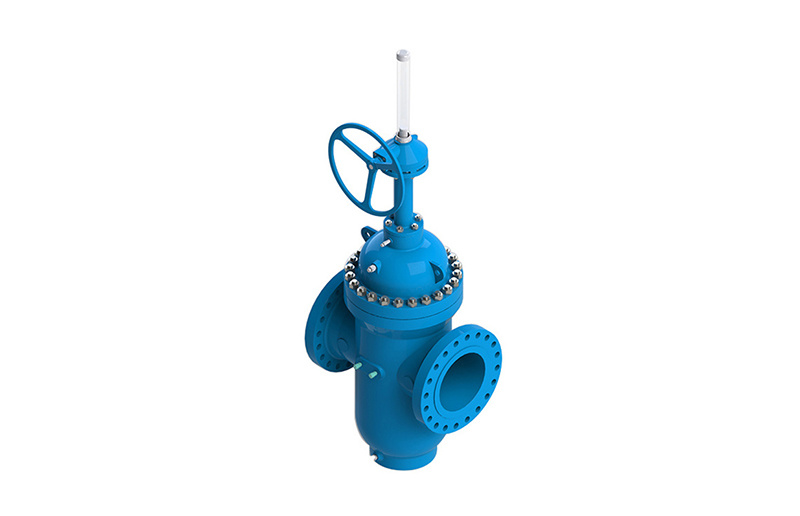
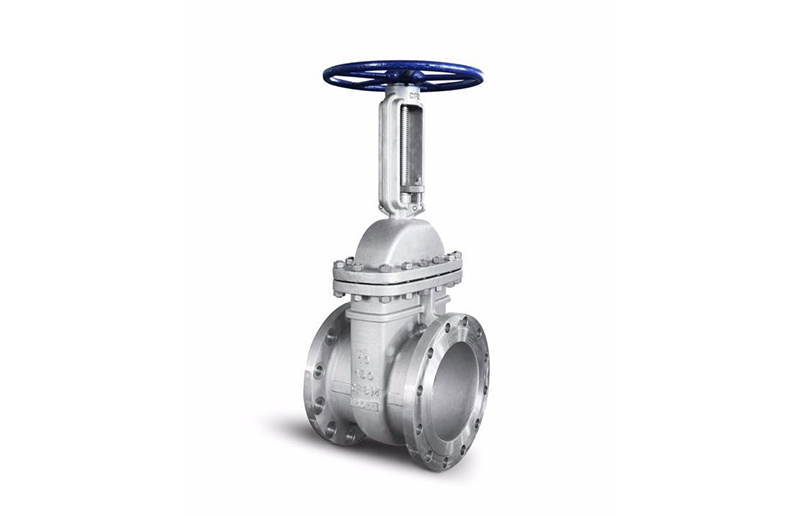
The construction of API600 gate valves typically includes a robust body, a gate, and a seat. The gate is positioned perpendicular to the flow, allowing for minimal resistance when fully open. This design promotes efficient flow while ensuring that the valve offers a reliable seal when closed.
Material Options
Materials used in API600 gate valves vary based on the application requirements. Common materials include carbon steel, stainless steel, and various alloys. Selecting the appropriate material is critical for durability, especially when dealing with corrosive or high-temperature environments.
Important Factors in Selection
When choosing an API600 gate valve, several factors need to be taken into account to ensure optimal performance and reliability.
Material Selection
Choosing the right material is a fundamental step in selecting an API600 gate valve. The material must be compatible with the media it will control. For example, if the valve will be used in a corrosive environment, stainless steel or a specialized alloy may be necessary. Consider factors such as temperature, pressure, and chemical compatibility when making your choice.
Size and Dimensions
The size of the gate valve is another crucial factor. It must match the pipe size and the flow requirements of your system. API600 valves are available in various sizes, so it’s essential to determine the appropriate diameter and length for your application. An improperly sized valve can lead to inefficiencies and increased operational costs.
Pressure and Temperature Ratings
Every gate valve comes with specific pressure and temperature ratings. These ratings indicate the maximum pressure and temperature the valve can handle without compromising its integrity. Always verify that the ratings align with the conditions of your project. Operating a valve beyond these limits can result in failure, leading to costly downtime.
End Connections
The type of end connections on an API600 gate valve is another important consideration. Valves can have various end types such as flanged, threaded, or welded. The connection type must match the piping system to ensure a proper fit and prevent leaks. Additionally, the method of installation should align with the operational requirements.
Installation Considerations
Proper installation of the API600 gate valve is critical for its performance. Here are some key installation tips to keep in mind:
Prepare the Site
Before installation, ensure that the installation site is clean and free of debris. Proper alignment of the piping system is essential to prevent undue stress on the valve, which could lead to leaks or failure.
Follow Manufacturer Guidelines
Always refer to the manufacturer’s installation guidelines. These instructions provide specific details on how to install the valve and any tools required for the job. Adhering to these guidelines will ensure a successful installation.
Check for Proper Operation
After installation, conduct tests to verify that the valve operates correctly. Open and close the valve several times to ensure it moves freely and achieves a complete seal when closed.
Maintenance and Repair
Regular maintenance is essential for prolonging the life of your API600 gate valve. Here are some maintenance practices to consider:
Routine Inspections
Conduct routine inspections to check for signs of wear or damage. Look for leaks at the connections, corrosion on the body, and any operational issues. Early detection of problems can save time and resources.
Lubrication
Keep the valve’s moving parts lubricated to ensure smooth operation. Over time, lubrication can wear away, leading to increased friction and potential failure. Regularly check and apply lubricant as recommended by the manufacturer.
Repairs
If issues arise, address them promptly. Common repairs may involve replacing parts such as seals or gaskets. Always use genuine replacement parts to ensure compatibility and maintain the integrity of the valve.
Common Issues and Solutions
Despite best practices, you may encounter some challenges while using API600 gate valves. Here are a few common issues, along with their potential solutions:
Leakage
If you experience leakage, it could be due to worn seals or improper installation. Inspect the seals for damage and replace them if necessary. Ensure that the valve is properly aligned with the piping system.
Sticking or Jamming
If the valve is sticking or jamming, it may require lubrication, or there could be debris obstructing the movement. Check for blockages and clean the valve as needed.
Corrosion
Corrosion can compromise the integrity of the valve, especially in harsh environments. Regular inspections and using appropriate materials can help mitigate this issue.
Conclusion
Selecting the right API600 gate valve for your project is a critical decision that impacts the efficiency and safety of your operations. By understanding the key features, material options, and installation considerations, you can make an informed choice that meets your specific requirements. Regular maintenance and prompt attention to any issues will ensure that your gate valve performs reliably over its lifespan.
FAQs
1. What is an API600 gate valve?
An API600 gate valve is a type of valve used in the petroleum and natural gas industries, designed according to the API600 standard, which ensures high performance and reliability.
2. How do I determine the right size API600 gate valve for my project?
The right size is determined by matching the valve diameter to the pipe size and flow requirements of your system. Consult with a professional if unsure.
3. What materials are commonly used in the construction of API600 gate valves?
Common materials include carbon steel, stainless steel, and various alloys, selected based on the specific application and environmental conditions.
4. How can I maintain my API600 gate valve?
Routine inspections, lubrication of moving parts, and prompt repairs of worn components are key maintenance practices to ensure the valve's longevity.
5. What should I do if my gate valve is leaking?
Inspect the seals and connections for wear or damage. Replace any faulty seals and ensure proper alignment with the piping system to prevent leaks.
By following the guidelines outlined in this article, you will be well-equipped to choose the ideal API600 gate valve for your project, ensuring optimal performance and reliability in your operations.
api600 gate valve
Get a Free Quote
If you are interested in our products, please leave your email and we will contact you as soon as possible, thank you!
CONTACT US
Tel:0086-512 69202976
Email:info@tcxvalve.com
Address: South Ring Road, Dafeng Economic Development Zone, Jiangsu Province, China

Follow us
Copyright © 2025 TCX Valve Group Co. Ltd.