
-
About UsTCX VALVE GROP is a global valves supplier created through the efforts of dedicated people with advanced technology in valves design and produce to achieve the highest quality products and package services.

-
Industry Application
17
2026
-
05
Troubleshooting Common Issues with API594 Check Valves: A Comprehensive Guide
Author :
Troubleshooting Common Issues with API594 Check Valves Table of Contents 1. Introduction to API594 Check Valves 2. Understanding Check Valves: The Basics 3. Common Issues with API594 Check Valves 3.1 Leakage Problems 3.2 Fluid Hammer Effects 3.3 Sticking Mechanisms 3.4 Noise Issues during Operation 4. Diagnosis and
Troubleshooting Common Issues with API594 Check Valves
Table of Contents
- 1. Introduction to API594 Check Valves
- 2. Understanding Check Valves: The Basics
- 3. Common Issues with API594 Check Valves
- 3.1 Leakage Problems
- 3.2 Fluid Hammer Effects
- 3.3 Sticking Mechanisms
- 3.4 Noise Issues during Operation
- 4. Diagnosis and Troubleshooting Techniques
- 5. Preventative Maintenance for API594 Check Valves
- 6. Best Practices for API594 Check Valve Operation
- 7. Frequently Asked Questions
- 8. Conclusion
1. Introduction to API594 Check Valves
API594 check valves are vital components in various industrial applications, ensuring that fluid flows in one direction while preventing backflow. This guide focuses on troubleshooting common issues encountered with these valves, as understanding and resolving these problems is essential for maintaining optimal system performance and safety.
2. Understanding Check Valves: The Basics
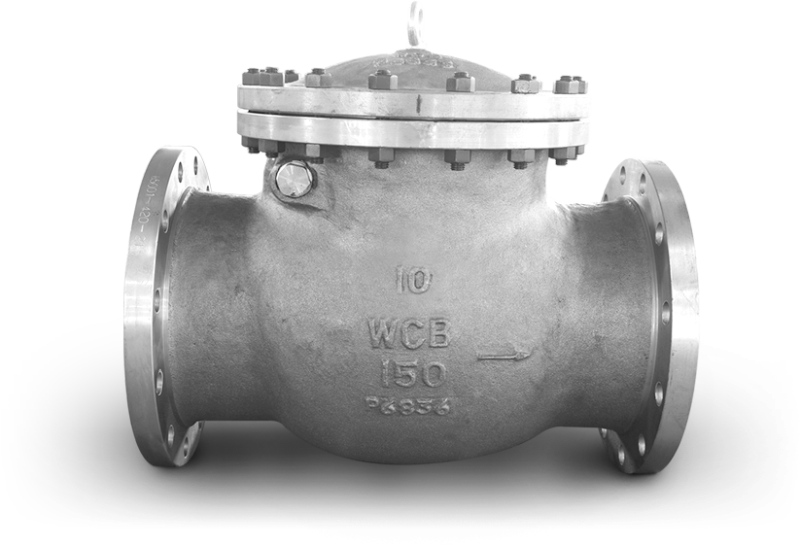
Check valves are automatic devices that allow fluid to flow in one direction and prevent it from reversing. The API594 standard specifically refers to the design and testing of cast iron swing check valves. These valves are prevalent in water and wastewater systems, oil and gas pipelines, and other industrial applications.
The Importance of API594 Check Valves in Industrial Systems
Utilizing API594 check valves ensures that systems operate efficiently by preventing backflow, which can lead to contamination, system failure, and costly repairs. Understanding how to troubleshoot these valves is crucial for engineers and maintenance professionals.
3. Common Issues with API594 Check Valves
Despite their durability, API594 check valves can experience several issues over time. Here, we will detail the most common problems and their implications.
3.1 Leakage Problems
Leakage is perhaps the most significant issue with check valves. It can occur due to several reasons, such as:
- **Worn seals**: Over time, the seals that prevent fluid from leaking can wear out, leading to leakage.
- **Debris accumulation**: Particles within the fluid can obstruct the sealing surfaces, causing leaks.
3.2 Fluid Hammer Effects
Fluid hammer is a phenomenon that occurs when there is a sudden change in fluid flow, leading to a shock wave in the system. This can cause severe damage to check valves and connected piping, resulting in:
- **Valve failure**: Excessive pressure can lead to mechanical failure of the valve components.
- **Noise**: Fluid hammer often manifests as loud banging noises during operation.
3.3 Sticking Mechanisms
Another common issue is the sticking of the valve mechanism, which can be caused by:
- **Corrosion**: Rust or other corrosion products can build up and prevent the valve from opening or closing properly.
- **Debris**: Foreign materials can clog the valve, preventing normal operation.
3.4 Noise Issues during Operation
Noise generated by API594 check valves can indicate underlying problems, including:
- **Improper installation**: If the valve is not installed correctly, it may vibrate and cause excessive noise.
- **Mechanical wear**: Components may wear down over time, leading to increased noise levels during operation.
4. Diagnosis and Troubleshooting Techniques
Effectively diagnosing issues with API594 check valves is crucial for timely repairs. Here are some techniques for troubleshooting.
4.1 Visual Inspection of Valves
Conducting a thorough visual inspection can help identify external issues such as:
- **Corrosion or rust**: Check for any signs of deterioration on the valve exterior.
- **Leakage signs**: Look for any fluid accumulating around the valve.
4.2 Performance Testing Methods
Performance testing can help ascertain whether the valve is functioning correctly. Common methods include:
- **Flow tests**: Measure the flow rate to determine if the valve is obstructed.
- **Pressure testing**: Assess the integrity of the sealing surfaces under pressure conditions.
5. Preventative Maintenance for API594 Check Valves
Regular maintenance is key to extending the lifespan of API594 check valves. Implementing a maintenance schedule will help mitigate issues before they escalate. Key maintenance practices include:
- **Routine inspections**: Regular checks for signs of wear, corrosion, and debris.
- **Cleaning**: Periodic cleaning of the valve and its environment to prevent obstructions.
6. Best Practices for API594 Check Valve Operation
Ensuring that API594 check valves operate efficiently requires adherence to best practices:
- **Proper installation**: Follow manufacturer guidelines for installation.
- **Training**: Provide training for personnel on valve operation and maintenance.
7. Frequently Asked Questions
1. What causes leakage in API594 check valves?
Leakage can be caused by worn seals, debris accumulation, or mechanical failure of the valve components.
2. How can fluid hammer be mitigated in systems using check valves?
Implementing gradual flow changes and installing surge suppressors can help mitigate fluid hammer effects.
3. What maintenance practices help prevent sticking mechanisms in check valves?
Regular cleaning and inspections can help prevent the buildup of debris and corrosion that leads to sticking mechanisms.
4. What are signs of noise issues in check valve operation?
Excessive vibrations, banging noises, and unusual operational sounds may indicate mechanical wear or improper installation.
5. How often should API594 check valves be inspected?
It is advisable to inspect API594 check valves at least once a year, or more frequently depending on the application and environmental conditions.
8. Conclusion
Troubleshooting common issues with API594 check valves is essential for maintaining the efficiency and reliability of industrial systems. By understanding the problems that can arise, employing effective diagnosis techniques, and implementing preventative maintenance practices, operators can enhance the longevity and performance of these critical components. Proactive measures not only improve operational efficiency but also prevent costly downtime and repairs in the long run.
api594 check valve
Get a Free Quote
If you are interested in our products, please leave your email and we will contact you as soon as possible, thank you!
CONTACT US
Tel:0086-512 69202976
Email:info@tcxvalve.com
Address: South Ring Road, Dafeng Economic Development Zone, Jiangsu Province, China

Follow us
Copyright © 2025 TCX Valve Group Co. Ltd.