
-
About UsTCX VALVE GROP is a global valves supplier created through the efforts of dedicated people with advanced technology in valves design and produce to achieve the highest quality products and package services.

-
Industry Application
10
2026
-
06
Why Multiple Orifice Choke Valves Are Essential for Effective Pressure Reduction in Industrial Applications
Author :
Understanding Multiple Orifice Choke Valves and Their Importance in Pressure Reduction Pressure management is a crucial aspect of industrial operations, ensuring that systems run efficiently and safely. Among the various tools used for pressure reduction, **multiple orifice choke valves** stand out for their unique design and functionality. In this article, we will delve into the mechanics of thes
Understanding Multiple Orifice Choke Valves and Their Importance in Pressure Reduction
Pressure management is a crucial aspect of industrial operations, ensuring that systems run efficiently and safely. Among the various tools used for pressure reduction, **multiple orifice choke valves** stand out for their unique design and functionality. In this article, we will delve into the mechanics of these valves, their applications, and why they are essential for effective pressure reduction.
Table of Contents
- What Are Multiple Orifice Choke Valves?
- How Do Multiple Orifice Choke Valves Work?
- Advantages of Multiple Orifice Choke Valves
- Applications of Multiple Orifice Choke Valves
- Choosing the Right Valve for Your System
- Maintenance of Multiple Orifice Choke Valves
- Common Issues and Solutions
- Conclusion
- FAQs
What Are Multiple Orifice Choke Valves?
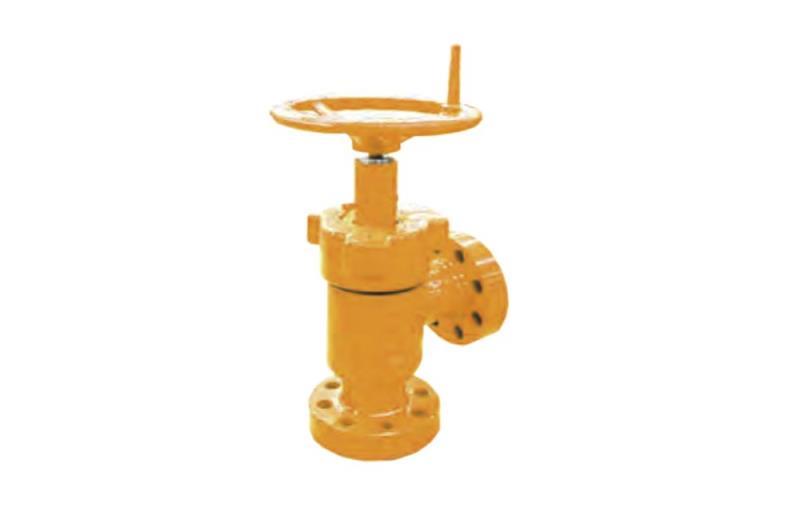
**Multiple orifice choke valves** are specialized valves designed to control fluid flow and pressure in industrial systems. Unlike standard choke valves, which may have a single opening, these valves feature multiple orifices that facilitate more precise control over the flow rate and pressure reduction. This design allows for a more uniform distribution of pressure across the system, which is essential for operations involving gases and liquids under high pressure.
The Design of Multiple Orifice Choke Valves
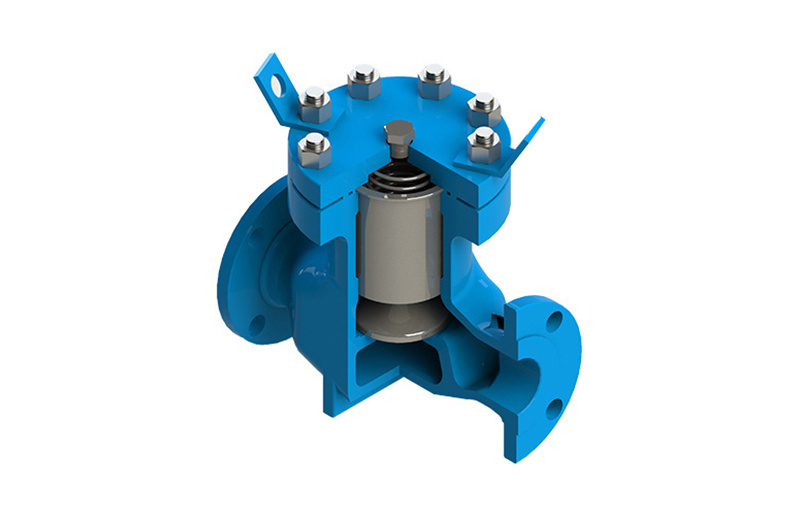
The design of a multiple orifice choke valve typically consists of a valve body with several orifice openings strategically placed. This configuration enables the valve to manage the flow of fluids more effectively. The multiple openings reduce the velocity of the fluid, allowing for better pressure management without causing turbulence or excessive energy loss.
How Do Multiple Orifice Choke Valves Work?
The operation of multiple orifice choke valves relies on the principle of fluid dynamics. As the fluid enters the valve, it encounters the various orifices, which dissipate energy and reduce pressure.
The Flow Mechanism
Upon entering the valve, fluid is forced through the multiple orifices, which act as restrictions. The pressure drop occurs as the fluid navigates through these smaller openings, effectively reducing the overall pressure in the system. This mechanism ensures a smooth and controlled flow, preventing sudden pressure spikes that could jeopardize system integrity.
Advantages of Multiple Orifice Choke Valves
The use of multiple orifice choke valves comes with numerous benefits that make them a preferred choice in many industrial applications.
1. Enhanced Pressure Control
The primary advantage of multiple orifice choke valves is their ability to provide **superior pressure control**. By distributing pressure evenly across multiple orifices, these valves minimize the risk of pressure fluctuations that can lead to system failure.
2. Reduced Noise Levels
Another significant benefit is the **reduction in noise levels** during operation. The gradual dissipation of pressure through multiple orifices results in a quieter operation compared to single orifice valves.
3. Increased Energy Efficiency
Multiple orifice choke valves also contribute to **energy efficiency**. By optimizing flow and reducing turbulence, these valves allow systems to operate more efficiently, ultimately leading to lower energy costs.
4. Improved System Reliability
When properly installed and maintained, multiple orifice choke valves enhance the **reliability of industrial systems**. They prevent pressure surges and spikes, which can cause damage to equipment and compromise safety.
Applications of Multiple Orifice Choke Valves
Multiple orifice choke valves find applications across various industries, including oil and gas, chemical processing, and power generation.
1. Oil and Gas Industry
In the oil and gas sector, these valves are crucial for managing pressure during extraction and transportation processes. They help maintain safe pressure levels in pipelines and prevent blowouts.
2. Chemical Processing
Chemical plants utilize multiple orifice choke valves to control the flow of corrosive substances. The valves' design allows for precise pressure management, essential for maintaining safe and efficient operations.
3. Power Generation
In power generation facilities, these valves help regulate steam and gas flows. They ensure that turbines operate within optimal pressure ranges, maximizing efficiency and minimizing wear.
Choosing the Right Valve for Your System
Selecting the appropriate multiple orifice choke valve for your application involves several factors.
1. Flow Rate Requirements
Understanding the flow rate needed for your system is crucial. The valve must be able to handle the maximum flow while maintaining pressure consistency.
2. Pressure Specifications
Consider the pressure specifications of your system. Ensure that the chosen valve can accommodate both the maximum and minimum pressure requirements without compromising performance.
3. Material Compatibility
It's essential to choose materials that are compatible with the fluids being handled. This consideration helps prevent corrosion and extends the lifespan of the valve.
Maintenance of Multiple Orifice Choke Valves
Regular maintenance is vital for the longevity and efficiency of multiple orifice choke valves.
1. Routine Inspections
Conduct routine inspections to check for any signs of wear and tear. Look for issues such as leaks, corrosion, or blockages in the orifices.
2. Cleaning
Ensure that the orifices remain clean to prevent any obstruction that could affect performance. Regular cleaning helps maintain optimal flow rates and pressure management.
3. Calibration
Regularly calibrate the valves to ensure they are functioning according to the required specifications. This step is essential for maintaining accurate pressure control.
Common Issues and Solutions
Despite their robust design, multiple orifice choke valves can encounter issues.
1. Blockages
Blockages in the orifices can lead to pressure build-up. Regular maintenance and cleaning can help mitigate this issue.
2. Seal Failures
Seal failures can cause leaks, leading to pressure drops. Timely inspections and replacements of seals can help prevent this problem.
3. Incorrect Sizing
Choosing the wrong size can lead to inefficiencies. Conducting thorough analysis and calculations during the selection process can ensure the right fit for your application.
Conclusion
Multiple orifice choke valves play a vital role in industrial pressure reduction, offering enhanced control, energy efficiency, and improved reliability. Their unique design allows for better pressure management, making them essential in various sectors, from oil and gas to chemical processing. By understanding their functionality and maintaining these valves properly, industries can ensure safe and efficient operations.
FAQs
1. What is the primary function of a multiple orifice choke valve?
The primary function of a multiple orifice choke valve is to control fluid flow and manage pressure reduction in industrial systems through a series of orifices that facilitate smoother flow dynamics.
2. How do I know if my valve is functioning properly?
Regular inspections for leaks, unusual noise, and performance discrepancies can indicate valve functionality. Calibration checks will also help ensure it is operating within specified parameters.
3. Can multiple orifice choke valves handle corrosive fluids?
Yes, these valves can be designed with materials that withstand corrosive fluids, making them suitable for various applications in chemical processing and related industries.
4. What maintenance is required for these valves?
Routine inspections, cleaning, and calibration are necessary to maintain the efficiency and functionality of multiple orifice choke valves.
5. Are there any limitations to using multiple orifice choke valves?
While they offer numerous advantages, limitations include the potential for blockages if not maintained properly and the need for precise sizing to match system requirements.
By leveraging the information provided in this article, industries can make informed decisions regarding the implementation and maintenance of multiple orifice choke valves, ensuring optimal performance and safety in their operations.
multiple orifice choke valve for pressure reduction
Previous page
Previous page
Get a Free Quote
If you are interested in our products, please leave your email and we will contact you as soon as possible, thank you!

CONTACT US
Tel:0086-512 69202976
Email:info@tcxvalve.com
Address: South Ring Road, Dafeng Economic Development Zone, Jiangsu Province, China

Follow us
Copyright © 2025 TCX Valve Group Co. Ltd.