
-
About UsTCX VALVE GROP is a global valves supplier created through the efforts of dedicated people with advanced technology in valves design and produce to achieve the highest quality products and package services.

-
Industry Application
08
2026
-
07
Exploring the Unique Design Features of Slab Gate Valves for Oil and Gas Applications
Author :
Exploring the Unique Design Features of Slab Gate Valves for Oil and Gas Applications Table of Contents 1. Introduction to Slab Gate Valves 2. Key Design Features of Slab Gate Valves 2.1 Valve Body Construction 2.2 Gate Structure 2.3 Sealing Mechanism 2.4 Operation and Control 3. Advantages of Using Slab Gate Valves
Exploring the Unique Design Features of Slab Gate Valves for Oil and Gas Applications
Table of Contents
- 1. Introduction to Slab Gate Valves
- 2. Key Design Features of Slab Gate Valves
- 3. Advantages of Using Slab Gate Valves
- 4. Applications in Oil and Gas Industry
- 5. Maintenance and Best Practices
- 6. Common Issues and Solutions
- 7. Future Trends in Slab Gate Valve Design
- 8. Conclusion
- 9. Frequently Asked Questions
1. Introduction to Slab Gate Valves
In the oil and gas industry, the reliability and efficiency of flow control equipment are paramount. **Slab gate valves** are among the top choices for critical applications due to their robust design and operational reliability. These valves are designed to handle high-pressure, high-temperature environments typical in oil and gas operations. Understanding the design features that set slab gate valves apart is essential for engineers and procurement professionals seeking optimal solutions.
2. Key Design Features of Slab Gate Valves
Slab gate valves showcase a variety of design features that contribute to their performance and suitability for oil and gas applications.
2.1 Valve Body Construction
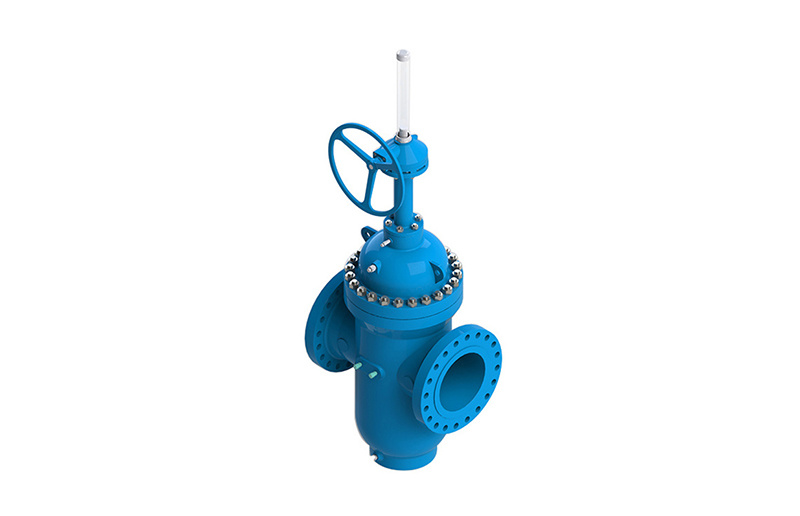
The **valve body** of slab gate valves is typically constructed from high-strength materials such as carbon steel or stainless steel. This construction ensures durability and resistance to corrosion and wear. Additionally, the body is designed to withstand extreme pressures and temperatures, making it suitable for harsh environments. The streamlined shape of the valve body minimizes pressure drops and enhances flow efficiency.
2.2 Gate Structure
The **gate structure** of slab gate valves is crucial for their operation. These valves feature a flat, rectangular gate that slides between two seats. This design allows for a tight seal when the valve is closed, preventing leaks. The gate is often made from the same high-strength material as the valve body, ensuring compatibility and longevity. The simplicity of the slab gate design also reduces the number of moving parts, leading to increased reliability.
2.3 Sealing Mechanism
A robust **sealing mechanism** is vital for preventing leakage in slab gate valves. Most slab gate valves utilize elastomeric seals or metal-to-metal seating, which provides excellent sealing performance. This feature is particularly important in the oil and gas sector, where leaks can have catastrophic consequences. The sealing mechanism is engineered to maintain its integrity under varying pressure and temperature conditions, further enhancing the valve’s reliability.
2.4 Operation and Control
The **operation** of slab gate valves is straightforward. These valves can be operated manually or automatically, depending on the application. Manual operation typically involves a handwheel, while automated systems may utilize electric or pneumatic actuators. The design allows for quick opening and closing, reducing downtime in critical processes. Additionally, the low torque required for operation minimizes wear and tear on the valve components.
3. Advantages of Using Slab Gate Valves
Slab gate valves provide several advantages that make them favorable in the oil and gas industry:
- **Low Pressure Drop**: The flat gate design minimizes turbulence and pressure loss during flow, enhancing overall system efficiency.
- **Robust Design**: Their resilient construction ensures long service life, even in harsh operational conditions.
- **Ease of Maintenance**: With fewer moving parts, slab gate valves are easier to maintain, reducing downtime and operational costs.
- **Versatility**: Suitable for various applications, including upstream and downstream processes in oil and gas operations.
4. Applications in Oil and Gas Industry
Slab gate valves are widely used across various sectors of the oil and gas industry:
- **Pipeline Systems**: They are commonly utilized in pipeline systems to control the flow of oil and gas.
- **Processing Facilities**: Slab gate valves are essential in processing facilities for regulating the flow of crude oil and natural gas.
- **Refineries**: In refineries, they are used to manage the flow of different hydrocarbons and process fluids.
5. Maintenance and Best Practices
Regular maintenance of slab gate valves is critical for ensuring their longevity and performance. Here are some best practices:
- **Routine Inspections**: Conduct regular inspections to identify signs of wear and tear.
- **Lubrication**: Ensure moving parts are adequately lubricated to minimize friction and wear.
- **Seal Integrity Checks**: Regularly check the sealing mechanism to ensure it remains effective.
6. Common Issues and Solutions
Despite their robust design, slab gate valves can encounter issues:
- **Leakage**: If leaks are detected, inspect the seals and seating surfaces for damage. Replacing worn seals is often the solution.
- **Sticking**: If the valve is difficult to operate, debris may be lodged in the mechanism. Cleaning the valve and ensuring it is free of obstructions can resolve this issue.
7. Future Trends in Slab Gate Valve Design
As the oil and gas industry evolves, so does the technology behind slab gate valves. Emerging trends include:
- **Smart Valve Technology**: The integration of smart sensors for real-time monitoring and control.
- **Enhanced Materials**: Development of advanced materials that offer greater resistance to corrosion and wear.
- **Eco-Friendly Designs**: Focus on reducing environmental impact through more efficient designs and manufacturing processes.
8. Conclusion
In summary, slab gate valves are an essential component of the oil and gas industry, characterized by their unique design features and operational efficiency. Understanding these valves’ design attributes, advantages, and applications enhances our ability to select the right equipment for various operations. As technology progresses, slab gate valves will continue to evolve, offering even greater reliability and performance.
9. Frequently Asked Questions
What is a slab gate valve?
A slab gate valve is a type of valve that utilizes a flat, rectangular gate to control fluid flow. It is known for its robust design and minimal pressure drop.
What are the main applications of slab gate valves?
Slab gate valves are primarily used in pipeline systems, processing facilities, and refineries within the oil and gas industry.
How do slab gate valves differ from other gate valves?
Slab gate valves feature a flat gate design, reducing turbulence and pressure loss compared to other gate valve types.
What maintenance is required for slab gate valves?
Regular inspections, lubrication, and seal integrity checks are vital for maintaining slab gate valves.
What are common issues with slab gate valves, and how can they be resolved?
Common issues include leakage and sticking. These can typically be resolved by inspecting seals and cleaning the valve mechanism.
By focusing on the unique design features and operational advantages of slab gate valves, we provide insightful information tailored to the needs of professionals in the oil and gas industry. This comprehensive understanding can help optimize flow control solutions and enhance operational efficiency.
slab gate valve for oil and gas transmission
Get a Free Quote
If you are interested in our products, please leave your email and we will contact you as soon as possible, thank you!
CONTACT US
Tel:0086-512 69202976
Email:info@tcxvalve.com
Address: South Ring Road, Dafeng Economic Development Zone, Jiangsu Province, China

Follow us
Copyright © 2025 TCX Valve Group Co. Ltd.