
-
About UsTCX VALVE GROP is a global valves supplier created through the efforts of dedicated people with advanced technology in valves design and produce to achieve the highest quality products and package services.

-
Industry Application
20
2026
-
07
API600 Gate Valves: A Comprehensive Guide to Their Functionality
Author :
API600 Gate Valves: A Comprehensive Guide to Their Functionality Table of Contents 1. Introduction to API600 Gate Valves 2. Design and Construction of API600 Gate Valves 3. Functionality of API600 Gate Valves 4. Applications of API600 Gate Valves 5. Maintenance and Inspection of API600 Gate Valves 6. Common Problems and Solutions 7. Advantages and Disadvantages of API6
API600 Gate Valves: A Comprehensive Guide to Their Functionality
Table of Contents
- 1. Introduction to API600 Gate Valves
- 2. Design and Construction of API600 Gate Valves
- 3. Functionality of API600 Gate Valves
- 4. Applications of API600 Gate Valves
- 5. Maintenance and Inspection of API600 Gate Valves
- 6. Common Problems and Solutions
- 7. Advantages and Disadvantages of API600 Gate Valves
- 8. Conclusion
- 9. Frequently Asked Questions
1. Introduction to API600 Gate Valves
API600 gate valves represent a crucial component in various industrial applications, primarily known for their ability to efficiently control the flow of liquids and gases. Understanding the core functionalities and benefits of these valves empowers industries to optimize their operations. This guide will explore the design, functionality, and applications of API600 gate valves, as well as tips for maintenance and common troubleshooting techniques.
2. Design and Construction of API600 Gate Valves
API600 gate valves are designed according to stringent industry standards, ensuring they meet the requirements for durability and performance.
2.1 Materials Used in Construction
The choice of materials is vital for ensuring longevity and reliability. Common materials include:
- **Carbon Steel**: Suitable for various applications, offering good strength and weldability.
- **Stainless Steel**: Ideal for corrosive environments, providing excellent resistance to oxidation.
- **Alloy Steel**: Used in high-temperature applications due to its strength and heat resistance.
2.2 Key Design Features
The design features of API600 gate valves are tailored to enhance functionality:
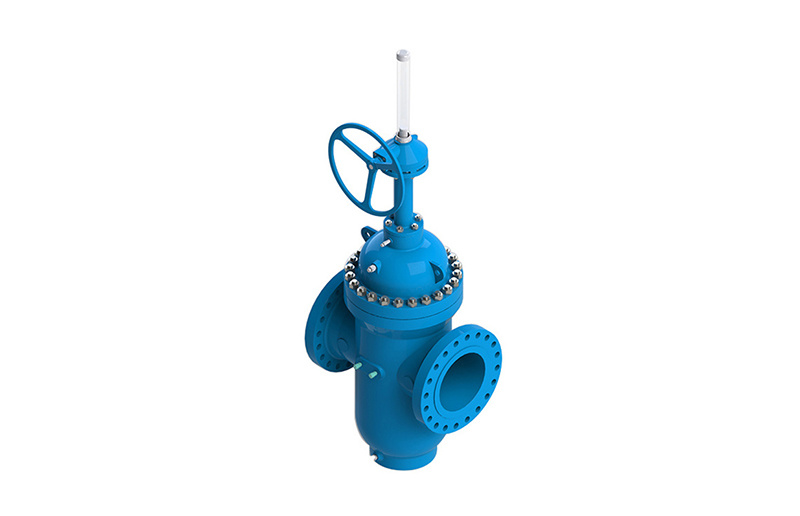
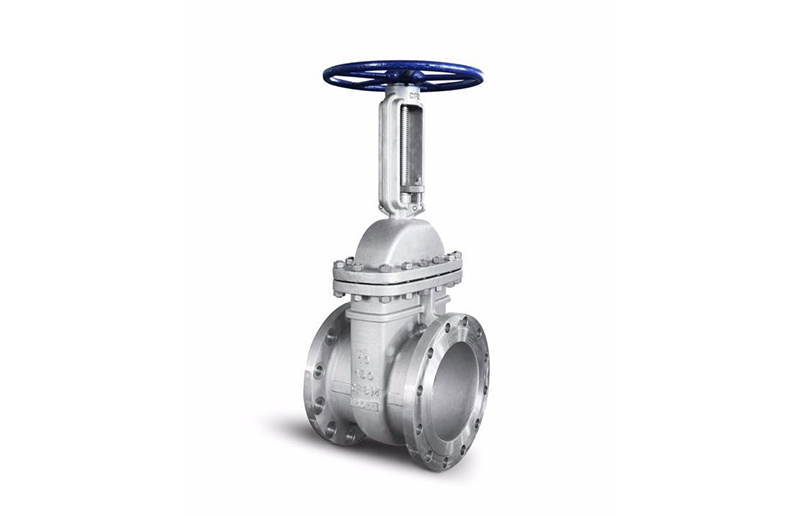
- **Wedge Shape**: The wedge design allows for effective sealing, minimizing leakage.
- **Threaded or Flanged Ends**: Enables easy integration into piping systems.
- **Bonnet Styles**: Options include bolted or welded bonnets for improved sealing and strength.
3. Functionality of API600 Gate Valves
API600 gate valves primarily serve to control fluid flow. They are designed to be either fully open or fully closed, making them ideal for applications where a tight seal is necessary.
3.1 Opening and Closing Mechanism
The mechanism involves a wedge that moves vertically within the valve. When the valve is opened, the wedge is lifted, allowing fluid to flow through. Closing the valve lowers the wedge back into the seat, creating a seal that prevents leakage.
3.2 Pressure Handling Capability
API600 gate valves are engineered to withstand high pressure, making them suitable for critical applications in oil and gas industries, water treatment plants, and chemical processing.
4. Applications of API600 Gate Valves
API600 gate valves are versatile and find application across various sectors:
4.1 Oil and Gas Industry
In the oil and gas sector, these valves are essential for controlling the flow of crude oil, natural gas, and refined products.
4.2 Water Treatment Facilities
These valves regulate flow in water treatment plants, ensuring efficient operation in both potable and wastewater management.
4.3 Chemical Processing
API600 gate valves are critical in chemical processing, where they manage the flow of corrosive and hazardous materials.
5. Maintenance and Inspection of API600 Gate Valves
Regular maintenance and inspection are crucial for ensuring the reliability and longevity of API600 gate valves.
5.1 Routine Maintenance Practices
- **Visual Inspections**: Regularly check for leaks, corrosion, or signs of wear.
- **Lubrication**: Apply lubricant to moving parts to reduce friction and ensure smooth operation.
5.2 Periodic Testing
Conduct pressure testing to verify that the valve maintains its integrity under operational conditions.
6. Common Problems and Solutions
Despite their robust design, API600 gate valves can encounter issues that require attention.
6.1 Leakage
**Problem**: Leakage can occur due to wear and tear or improper sealing.
**Solution**: Inspect and replace seals or gaskets as necessary.
6.2 Difficulty in Operation
**Problem**: If a valve is hard to open or close, it may indicate internal damage.
**Solution**: Disassemble the valve, clean, and repair or replace damaged components.
7. Advantages and Disadvantages of API600 Gate Valves
Understanding the pros and cons of API600 gate valves helps industries make informed decisions.
7.1 Advantages
- **Low Flow Resistance**: Allows for a smooth flow of fluids.
- **Tight Seal**: Ensures minimal leakage when closed.
- **Durability**: Built to withstand harsh conditions.
7.2 Disadvantages
- **Limited Flow Control**: Not suitable for throttling applications.
- **Size and Weight**: Can be bulky, requiring adequate space for installation.
8. Conclusion
API600 gate valves are indispensable in various industrial sectors, providing reliable control of fluid flow. Their robust design, combined with regular maintenance and inspection, ensures efficient operation and longevity. By understanding their functionality and applications, industries can optimize their processes and enhance overall performance.
9. Frequently Asked Questions
FAQ 1: What is the difference between API600 gate valves and other types of valves?
API600 gate valves are primarily designed for on/off service, providing a tight seal when closed. In contrast, other valve types, like globe or ball valves, allow for flow control.
FAQ 2: How often should API600 gate valves be inspected?
It is recommended to inspect API600 gate valves regularly, at least once a year, or more frequently in critical applications.
FAQ 3: Can API600 gate valves be used in high-temperature applications?
Yes, API600 gate valves are designed to withstand high temperatures, especially those made from alloy steel.
FAQ 4: What maintenance is required for API600 gate valves?
Routine maintenance includes visual inspections, lubrication of moving parts, and periodic pressure tests.
FAQ 5: Are API600 gate valves suitable for corrosive environments?
Yes, selecting materials such as stainless steel can enhance resistance to corrosion, making them suitable for such environments.
By taking a deep dive into the world of API600 gate valves, industries can harness their full potential, ensuring optimal functionality and longevity in their operations.
api600 gate valve
Get a Free Quote
If you are interested in our products, please leave your email and we will contact you as soon as possible, thank you!
CONTACT US
Tel:0086-512 69202976
Email:info@tcxvalve.com
Address: South Ring Road, Dafeng Economic Development Zone, Jiangsu Province, China

Follow us
Copyright © 2025 TCX Valve Group Co. Ltd.