
-
About UsTCX VALVE GROP is a global valves supplier created through the efforts of dedicated people with advanced technology in valves design and produce to achieve the highest quality products and package services.

-
Industry Application
26
2026
-
07
A Comprehensive Guide to API594 Check Valve Maintenance: Ensuring Optimal Performance and Longevity
Author :
A Comprehensive Guide to API594 Check Valve Maintenance In the realm of industrial equipment and components, **check valves** play a crucial role in controlling the flow of fluids in pipelines. Among the various standards, **API594** is a recognized specification that outlines the design and maintenance of check valves. This guide delves into the intricacies of **API594 check valve maintenance**,
A Comprehensive Guide to API594 Check Valve Maintenance
In the realm of industrial equipment and components, **check valves** play a crucial role in controlling the flow of fluids in pipelines. Among the various standards, **API594** is a recognized specification that outlines the design and maintenance of check valves. This guide delves into the intricacies of **API594 check valve maintenance**, providing comprehensive insights to ensure these essential components operate smoothly and efficiently.
Understanding API594 Check Valves
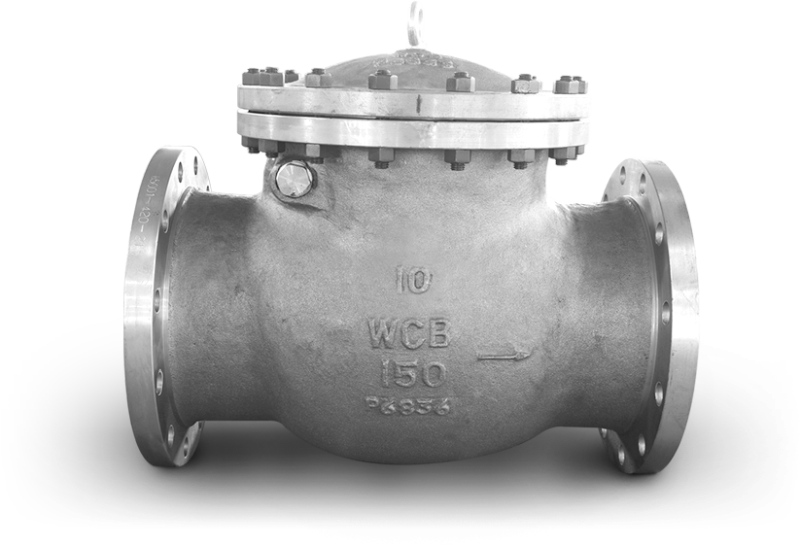
API594 check valves are specifically designed to prevent backflow in piping systems. They allow fluid to flow in one direction while automatically closing when fluid attempts to reverse direction. This function is vital for maintaining system integrity and preventing damage to equipment.
The Design and Functionality of API594 Check Valves
API594 check valves are typically composed of durable materials such as cast steel, stainless steel, or ductile iron. Their design often includes:
- Disc Types: Different configurations like tilting disc, swing disc, and dual plate.
- Seat Types: Various seat designs enhance sealing capabilities.
- End Connections: Options such as flanged or threaded connections ensure compatibility with various piping systems.
Common Applications of API594 Check Valves
These check valves find applications across various industries, including:
- Oil and Gas: Preventing backflow in pipelines.
- Water Treatment: Ensuring consistent flow in treatment processes.
- Power Generation: Protecting critical systems from reverse flow.
Importance of Regular Maintenance
Regular maintenance of API594 check valves is essential to ensure their functionality and longevity. Neglecting maintenance can lead to severe operational issues, including:
- Increased Wear and Tear: Unchecked valves can wear out more quickly.
- Flow Blockages: Accumulation of debris can impede flow.
- System Failures: Malfunctioning valves can result in catastrophic system failures.
Key Maintenance Practices
Visual Inspection
Conducting routine visual inspections is the first step in API594 check valve maintenance. Inspect the following:
- Body Integrity: Look for signs of corrosion, cracks, or other damage.
- Connections: Check for leaks around the flanged or threaded joints.
- Disc Movement: Ensure the disc opens and closes freely without obstruction.
Cleaning and Lubrication
Keeping check valves clean is crucial. Follow these steps:
- Disassemble the Valve: Safely shut off the flow and dismantle the valve.
- Clean Components: Use a suitable solvent to remove deposits and debris.
- Lubricate Moving Parts: Apply the appropriate lubricant to ensure smooth operation.
Testing for Functionality
Regular testing is vital to ensure that the check valve operates correctly. Test for:
- Sealing Capability: Ensure the valve seals when closed to prevent backflow.
- Flow Rate: Measure the flow rate to confirm it meets system requirements.
Advanced Maintenance Techniques
Replacement of Components
Over time, some components may wear out and require replacement. Commonly replaced parts include:
- Seals and Gaskets: To maintain optimal sealing capabilities.
- Discs: For improved flow characteristics and sealing performance.
Upgrading Valves
In some cases, upgrading to a newer model may enhance efficiency. Consider factors such as:
- Flow Requirements: Ensure the new valve meets the system's flow rate needs.
- Material Changes: Upgrading to corrosion-resistant materials can prolong service life.
Common Issues and Troubleshooting
Despite regular maintenance, issues may arise with API594 check valves. Identifying and troubleshooting these problems quickly is critical.
Backflow Issues
If backflow occurs, check:
- Disc Obstruction: Ensure the disc is free from debris.
- Worn Seals: Replace seals if they are damaged.
Leakage Problems
Leaks can indicate several issues, including:
- Loose Connections: Tighten connections to eliminate leaks.
- Damaged Gaskets: Replace gaskets if they show signs of wear.
Guidelines for Long-Term Care
To ensure the longevity of your API594 check valves, adhere to the following long-term care guidelines:
- Maintain a Regular Schedule: Set a maintenance schedule based on usage and environmental factors.
- Keep Records: Document all maintenance activities for reference.
- Educate Personnel: Train staff on proper handling and maintenance practices.
Conclusion
Maintaining API594 check valves is not merely a formality; it is essential for the efficient and safe operation of industrial systems. By adhering to best practices for maintenance, conducting regular inspections, and promptly addressing issues, operators can ensure the reliability and longevity of their check valves. A proactive approach will not only save time and costs in the long run but will also enhance overall system performance.
FAQs
1. What is the API594 standard?
The API594 standard outlines the design, materials, and testing procedures for check valves used in various applications.
2. How often should I perform maintenance on my check valves?
Maintenance should be conducted regularly, with inspections typically recommended at least once a year, depending on usage and environmental conditions.
3. What are the signs that a check valve needs replacing?
Signs include visible corrosion, leaks, and failure to open or close properly.
4. Can I perform maintenance on check valves myself?
While basic maintenance can be performed by trained personnel, more complex tasks should be handled by qualified professionals.
5. What tools are needed for check valve maintenance?
Basic tools may include wrenches, screwdrivers, cleaning solvents, lubricants, and safety equipment.
api594 check valve
Get a Free Quote
If you are interested in our products, please leave your email and we will contact you as soon as possible, thank you!
CONTACT US
Tel:0086-512 69202976
Email:info@tcxvalve.com
Address: South Ring Road, Dafeng Economic Development Zone, Jiangsu Province, China

Follow us
Copyright © 2025 TCX Valve Group Co. Ltd.